Indoor Air Quality Home Checklist: Reduce Moisture, Dust, Odors, and Hidden Pollutants
A homeowner-friendly indoor air quality checklist covering moisture, ventilation, filtration, cleaning, combustion safety, and room-by-room prevention.

Why this topic is in high demand
A homeowner-friendly indoor air quality checklist covering moisture, ventilation, filtration, cleaning, combustion safety, and room-by-room prevention. This topic is searched often because it connects directly to money, comfort, safety, and confidence. Homeowners want practical instructions they can use before calling a contractor, buying products, or starting a weekend project. A useful guide does not simply say "check your home." It explains what to check, why it matters, what warning signs mean, and how to decide the next step without panic.
The simple rule: inspect before you spend
Before buying supplies or scheduling a service call, inspect the visible conditions. Use a phone camera, flashlight, notebook, and a calm walk-through. Look for patterns: repeated moisture, uneven temperatures, stale odors, tripped alarms, dust buildup, unusually high bills, or damaged materials. The goal is not to become a professional inspector. The goal is to collect enough information to make smarter decisions and describe the issue clearly when help is needed.
Room-by-room checklist
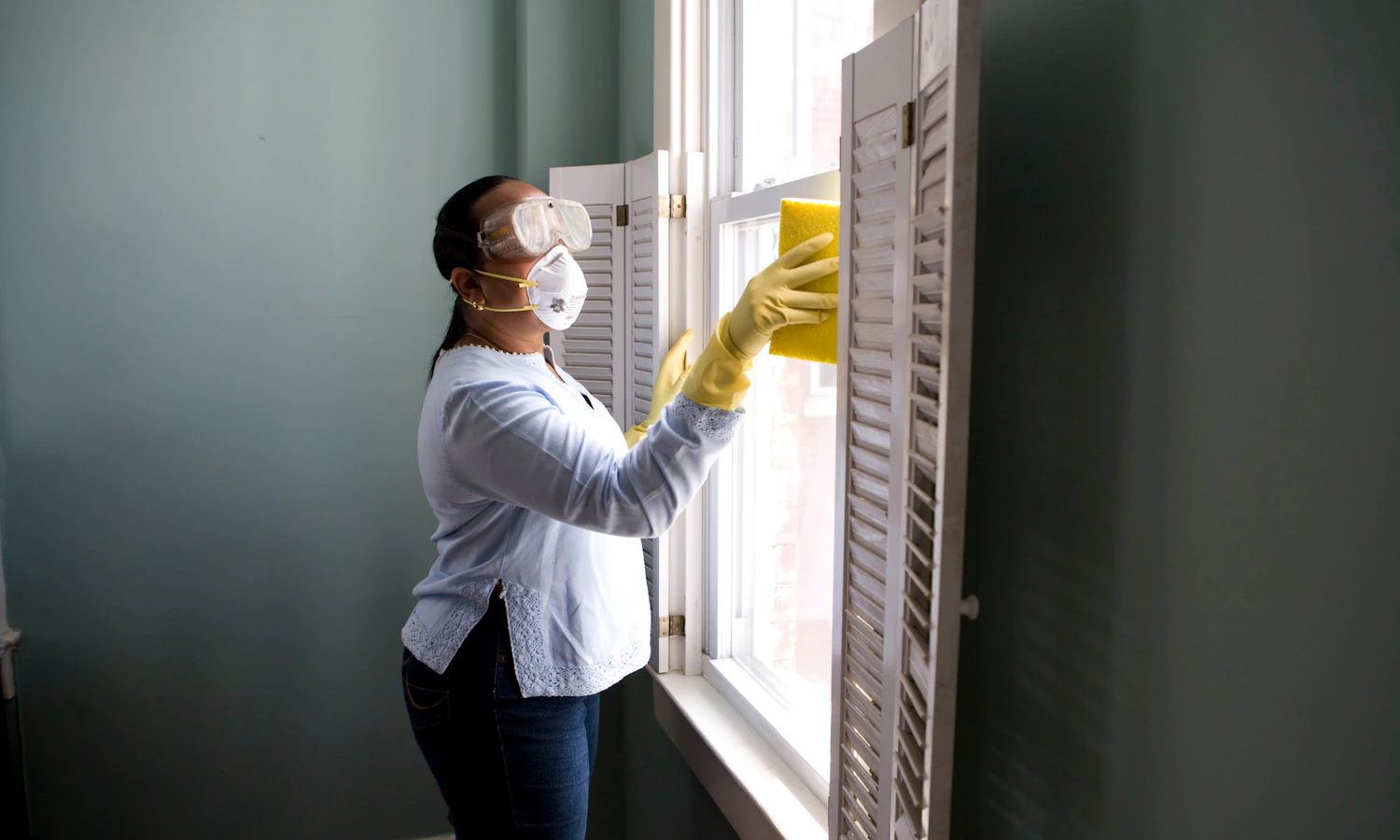
Start where the issue is most likely to affect daily life. Kitchens, bathrooms, laundry rooms, mechanical rooms, attics, basements, garages, and exterior walls often reveal the earliest clues. Check surfaces, vents, filters, seals, drains, outlets, shutoffs, appliance connections, and visible damage. If you find an active leak, electrical warning sign, fuel-burning appliance problem, or safety alarm issue, move it to the top of the list.
Detailed homeowner action plan
Use the action plan below as a practical routine. It is designed for normal homeowners, not contractors. Skip any task that requires roof access, opening electrical panels, gas-line work, heavy lifting, specialized testing, or exposure to suspicious materials. A good maintenance plan should make the home safer and easier to manage, not push you into unsafe work.
- Walk the relevant area slowly with a flashlight and phone camera.
- Photograph anything new, stained, loose, damp, cracked, noisy, dusty, or unusually warm.
- Check filters, vents, seals, shutoffs, drains, alarms, and visible connections.
- Separate urgent safety or water issues from routine improvement tasks.
- Review trusted external guidance before making decisions about health, safety, or energy topics.
- Link the issue to related home systems, such as HVAC, plumbing, insulation, drainage, or alarms.
- Save receipts, model numbers, dates, notes, and contractor recommendations.
- Schedule a follow-up so the issue does not disappear from memory.

What to document
Documentation turns a one-time checklist into a useful home record. Save photos with dates, measurements, receipts, filter sizes, product model numbers, warranty details, contractor notes, and recurring symptoms. If a problem returns later, your notes help identify whether it is the same issue, a related issue, or a new one. Documentation is also valuable when selling a home because it shows responsible ownership.
Common mistakes to avoid
The biggest mistake is treating symptoms as cosmetic. A smell, stain, draft, repeated breaker trip, weak airflow, or sudden bill increase may point to a deeper issue. Another mistake is buying products before understanding the cause. More insulation, stronger cleaners, bigger filters, or new gadgets may not solve the root problem. Start with source, safety, and moisture before spending on upgrades.
Budget and timing tips
Prioritize safety and water first. Then handle system performance, efficiency, and comfort. Cosmetic improvements come after the home is dry, safe, and functioning. If the project can wait, schedule it before the busy season. If it affects safety, moisture, heat, cooling, electricity, or emergency readiness, do not delay it just because it is inconvenient. Preventive timing is almost always cheaper than emergency timing.

When to call a professional
Call a qualified professional when the issue involves structural movement, active leaks inside walls or ceilings, electrical panels, gas appliances, combustion exhaust, persistent mold, roofing, major plumbing, HVAC refrigerant, or anything unsafe. A professional visit is not wasted if it prevents damage or confirms that the home is safe. Your notes and photos will help that visit go faster.
How to maintain the habit
Set a monthly reminder for quick checks and a quarterly reminder for deeper review. Pair the task with something you already do, such as changing filters, paying utility bills, or cleaning a specific room. Maintenance habits work best when they are small enough to repeat. Over time, you will know your home better and notice changes earlier.
FAQ
How often should I use this checklist?
Use it seasonally, then repeat the high-risk items monthly. Older homes and harsh climates may require more frequent checks.
Can I do everything myself?
No. Inspecting and documenting are homeowner-friendly. Dangerous, regulated, or uncertain work belongs with qualified professionals.
What should I do if I find a serious issue?
Put safety first, stop using affected equipment if needed, document the issue, and contact a qualified professional.
Why include external references?
Trusted references help readers verify safety, energy, and indoor air guidance from authoritative organizations.
Advanced checklist for homeowners who want better results
Once the basic checklist is complete, the next level is pattern recognition. Look at how the house behaves across time instead of judging one moment in isolation. A room that feels uncomfortable once may not mean much. A room that is always humid, always cold, always dusty, or always noisy is giving you a repeated signal. The same is true for utility bills, odors, appliance cycling, condensation, and small stains. Repeated signals deserve more attention than random one-day annoyances.
Use a simple scoring method. Give each issue a score from one to five for safety risk, damage risk, cost risk, and daily frustration. Add the numbers. The highest total becomes your priority. This keeps decisions practical when the house has many small needs. It also prevents cosmetic tasks from taking over the budget while a hidden moisture or safety issue keeps growing. A homeowner does not need complicated software for this. A notebook or spreadsheet is enough.
For Indoor Air Quality Home Checklist: Reduce Moisture, Dust, Odors, and Hidden Pollutants, the best results come from combining observation with timing. Check the home during different conditions: after rain, during hot afternoons, during cold mornings, after cooking, after showers, after laundry, and during windy weather. Many problems only reveal themselves under load. Drafts show up when wind pushes against the house. Drainage issues show up after storms. Ventilation issues show up after moisture-producing activities. Emergency readiness gaps show up when you imagine a power outage at night, not during a calm afternoon.
What to compare month by month
Monthly comparison is where maintenance becomes powerful. Keep the same photo angles so you can compare changes. Photograph the mechanical room, under-sink areas, attic access, basement corners, exterior drainage points, filter condition, and any place that has shown past issues. A small change that is hard to notice in person may become obvious when two photos are placed side by side.
Track numbers where numbers are useful. Utility bills, humidity readings, filter replacement dates, alarm test dates, water meter readings, room temperatures, and repair costs can reveal patterns. You do not need to track everything forever. Track enough to answer practical questions: Is the bill higher because of weather or waste? Is the room humid because of a one-time event or a ventilation problem? Did the repair solve the issue or only reduce it temporarily?
Also compare how the home feels. Comfort matters because it often reveals performance issues before equipment fails. A room that never reaches temperature, a smell that returns after cleaning, a drain that slows every few weeks, or an alarm that chirps repeatedly is not just an inconvenience. It is a clue. Write it down with the date and condition. Good notes make better decisions possible.
How this guide fits with the rest of your home maintenance plan
No single article should stand alone. Indoor Air Quality Home Checklist: Reduce Moisture, Dust, Odors, and Hidden Pollutants connects with seasonal maintenance, HVAC service, plumbing checks, smoke and carbon monoxide alarms, cleaning routines, home budgeting, and emergency planning. That is why internal links matter for readers. A homeowner who starts with one concern often needs the next related guide to understand the connected system. Better internal links also make the site easier to navigate, which is useful for both visitors and search engines.
If this guide raises a concern about air movement, read the HVAC checklist. If it raises a concern about moisture, read the bathroom, plumbing, gutter, and roof guides. If it raises a concern about safety, read the smoke and carbon monoxide detector guide and the electrical safety checklist. If it raises a concern about cost, read the home maintenance budget guide. Home care becomes easier when each page points to the next practical step instead of trapping the reader on a dead end.
External links have a different purpose. They help readers verify important safety, energy, and indoor air information through authoritative organizations. For topics that can affect health, safety, or utility costs, it is responsible to point readers to official resources from organizations such as EPA, ENERGY STAR, Ready.gov, and CPSC. Those links support trust because the article is not asking readers to accept every claim without a way to check deeper guidance.
Product and service buying tips
Many homeowners jump from a problem to a purchase too quickly. They buy a device, cleaner, filter, kit, sealant, or tool before understanding what caused the issue. Sometimes the product helps. Sometimes it hides the symptom. Before buying anything, write the problem in one sentence, list the evidence, and decide whether the source is known. A product should match a confirmed need, not a vague worry.
Read specifications carefully. Bigger is not always better. Stronger is not always safer. A filter that is too restrictive can affect airflow in some HVAC systems. A harsh cleaner can damage finishes. A generator used incorrectly can create carbon monoxide danger. A sealant applied over wet material can trap moisture. A tool used without experience can create damage. Maintenance purchases should reduce risk and improve clarity.
When hiring a service provider, ask focused questions. What problem are they solving? What evidence did they observe? What are the options? What happens if you wait? What maintenance prevents recurrence? What warranty applies? Good providers can explain their reasoning in plain language. Keep their answers in your home records.
Signs that the issue is becoming urgent
Some signs should move an item from routine maintenance to urgent action. Active water, burning smells, repeated breaker trips, gas odors, carbon monoxide alarm alerts, visible mold growth that returns, sagging materials, loose railings, sewage smells, roof leaks, electrical buzzing, and heat loss during freezing weather should not wait for a seasonal review. Stop using affected equipment when appropriate and call a qualified professional.
Urgency also depends on who lives in the home. Infants, older adults, people with asthma or respiratory conditions, people with mobility limitations, and anyone relying on powered medical equipment may need a more conservative plan. A small comfort issue for one household can be a serious risk for another. Maintenance should fit the people, not just the building.
If you are unsure, choose the safer path. Document the issue, reduce exposure where possible, and ask a professional or official resource for guidance. A cautious response is usually cheaper than waiting until damage spreads or safety is compromised.
Related Guides and Trusted Resources
Keep reading on this site
- Monthly Home Maintenance Routine: A Simple Plan for Busy Homeowners Planning
- Home Maintenance Budget: How Much to Set Aside and What to Prioritize Planning
- HVAC Maintenance Checklist: Improve Comfort and Avoid Costly Breakdowns Systems
- Smoke and Carbon Monoxide Detector Checklist: Placement, Testing, and Replacement Safety
- Plumbing Leak Checklist: Find Small Leaks Before They Become Water Damage Systems
- Fall Home Maintenance Checklist: Prepare Your Home Before Cold Weather Seasonal
Trusted external references

Written and reviewed by
Emily Carter
Emily Carter is the editorial author for Home Maintenance Checklist Hub. She writes practical, safety-first home maintenance guides for homeowners who want clear routines, realistic priorities, and fewer surprise repairs.